April 2026 UK Statutory Sick Pay Rules
Stay informed about the April 2026 update on UK statutory sick pay rules. Download our comprehensive checklist designed for small businesses to ensure compliance and understand the new regulations.
WORKPLACEEMPLOYMENT LAW
6/12/20263 min read
The Employment Rights Act and SSP
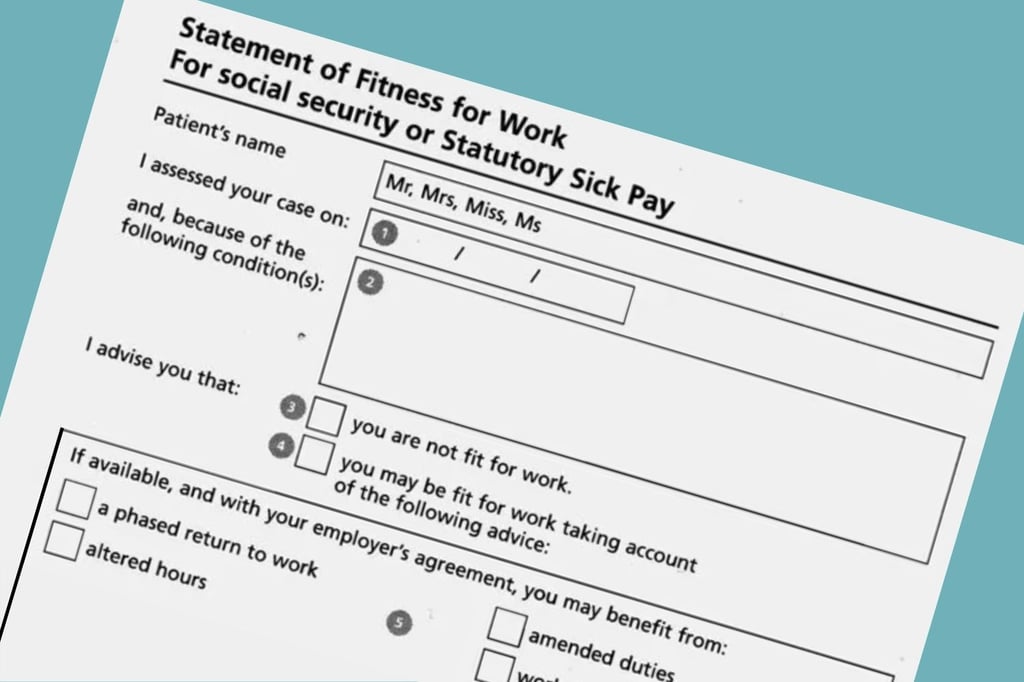
If you have not reviewed your approach to sick pay recently, April 2026 was a significant moment. The Employment Rights Act 2025 brought in some of the biggest changes to Statutory Sick Pay (SSP) in years. Whether you manage a team of three or thirty, understanding the new rules is essential to staying compliant and avoiding costly mistakes.
What Has Changed?
From 6 April 2026, three key things changed:
Day-one entitlement. Employees are now eligible for SSP from their very first day of sickness absence. The previous three-day waiting period has been removed entirely.
The Lower Earnings Limit has been scrapped. Previously, employees had to earn above a minimum threshold to qualify for SSP. That restriction no longer applies, meaning more of your workforce is now covered, including part-time and lower-paid staff.
A new rate and calculation method. SSP is now paid at £123.25 per week, or 80% of an employee's average weekly earnings, whichever is lower. For most employees the flat rate applies, but lower-paid workers will receive a proportionate amount based on their earnings.
Who Qualifies for SSP?
To be eligible, an employee must:
Have started work for you (even if it is their first day)
Be classed as an employee for tax purposes, meaning they are paid through PAYE (which means that zero hours workers and lower earnings employees who were previously excluded are now eligible)
Have notified you they are sick within any deadline you have set, or within 7 days
Be absent for at least one full qualifying day
How Long Does SSP Last?
SSP can be paid for up to 28 weeks. If an employee has more than one period of sickness and those periods are 8 weeks or less apart, they are treated as linked, which affects how the 28-week total is calculated. Keeping accurate absence records means you can track this clearly and protect yourself if any questions arise later.
What Do I Need to Do as an Employer?
The changes are already in force, so if you have not taken action yet, this is a priority. Here is what to focus on:
Update your payroll system. SSP must now be triggered from day one and calculated correctly for lower-paid staff. Check your payroll software is configured for the April 2026 changes.
Review your sickness absence policy. Any references to waiting days or the old earnings threshold will need updating. While you are at it, make sure your reporting and notification procedures are clear to employees. Ensure that employees are obligated to inform you of sickness absence on the first day to trigger the SSP payments.
Look at your absence triggers. If you use short-term absence triggers such as Bradford Factor, you will need to check that these are aligned with post April changes, as more short term absences are expected with the removal of the waiting period.
Brief your line managers. They are often the first point of contact when someone calls in sick. They need to understand that SSP now applies from day one and that more employees will qualify than before.
Keep good records. Accurate absence records protect you if a dispute arises. Note the dates of absence, qualifying days, and SSP payments made.
Common Mistakes to Avoid
Even well-intentioned employers can slip up. Watch out for these:
Still applying the three-day waiting period after 6 April 2026.
Assuming part-time or lower-paid staff are not entitled to SSP.
Forgetting that SSP applies to new starters from their very first day.
Using the flat rate of £123.25 for all employees without checking whether 80% of their average weekly earnings is lower.
Not updating your employment contracts or staff handbook to reflect the current rules.
Can I Claim SSP Back from HMRC?
This is one of the most common questions employers ask, and the honest answer is no. Employers cannot reclaim SSP from HMRC. The former Percentage Threshold Scheme, which allowed employers to recover SSP in certain cases, was abolished in April 2014. During the COVID-19 pandemic a temporary rebate scheme allowed small employers to reclaim up to two weeks of SSP, but that scheme closed in March 2022 and no replacement exists.
That means SSP is a cost you absorb as part of running a business, in the same way as employer National Insurance contributions. With the April 2026 changes bringing in day-one entitlement and wider eligibility, it is worth factoring SSP into your budgeting more carefully than before, particularly if you employ part-time or variable-hours staff who may now qualify for the first time.
The best way to manage the cost is through good absence management practices: clear reporting procedures, return-to-work conversations, and keeping accurate records. None of that eliminates the liability, but it does mean you stay on top of it and are less likely to be caught out.
Not Sure Where You Stand?
SSP compliance is one of those areas where small errors can quickly become bigger problems, especially when an employee queries their pay or raises a grievance. The good news is that with the right processes in place, it is very manageable.
We have put together a free SSP checklist to help you make sure everything is in order. Download it below and feel free to get in touch with the Saltwater HR team if you have any questions about how the changes affect your business.